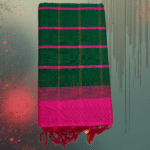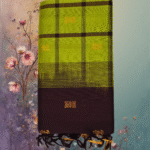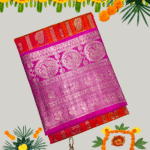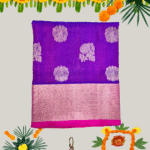

Few garments in the world carry the elegance, heritage, and cultural depth of the Indian saree. From ancient civilizations to the modern global runway, the saree has evolved—yet retained its unmatched charm and identity. At Akshanta, we celebrate this timeless tradition by blending classic weaves with contemporary aesthetics, keeping the essence of Indian culture alive.
🌿 The Ancient Origins of the Saree
The saree is believed to date back more than 5,000 years, originating in the Indus Valley Civilization. Early records describe long unstitched fabrics draped around the body for comfort in the subcontinent’s tropical climate.
Why the unstitched garment became iconic:
- Adaptable to all body types
- Suitable for varying climates
- Symbol of purity in Indian culture
- Freedom in draping and styling
These early drapes evolved into the saree we know today—a garment that blends artistry and function.
🌟 Sarees Through the Ages
1. Vedic Period
Women wore a three-piece garment system including the antarīya (lower garment) and uttarīya (upper cloth). Intricate draping techniques began forming.
2. Mauryan & Gupta Era
Silk and cotton weaving flourished. Sarees with gold borders and dyed fabrics became status symbols.
3. Medieval India
Regional weaves emerged:
- Banarasi from Uttar Pradesh
- Paithani from Maharashtra
- Kanjivaram from Tamil Nadu
- Patola from Gujarat
Each region developed its own motifs, weaving techniques, and draping traditions.
4. Colonial Period
The influence of the British introduced blouses and petticoats as stitched garments, giving rise to the modern saree ensemble.
🌸 Regional Saree Styles That Shape India
India’s vast cultural diversity has led to hundreds of saree varieties. Each boasts unique craftsmanship, colors, and techniques.
✨ Popular Regional Sarees
- Kanjivaram Silk: Heavy silk with vibrant colours and wide zari borders
- Banarasi Brocade: Fine silk woven with gold and silver threads
- Chanderi: Lightweight, sheer fabric with handwoven motifs
- Bandhani: Tie-dye art from Rajasthan and Gujarat
- Kasavu: Cream sarees with golden borders from Kerala
At Akshanta, our collections celebrate this diversity with curated designs from across India.
🌺 Modern Saree Trends
Today, sarees are more versatile than ever.
Trending Styles in 2025
- Pastel silks
- Minimal zari borders
- Organza & tissue sarees
- Pre-stitched sarees for convenience
- Ombre shades & digital prints
- Lightweight soft silks
These blends of tradition and modernity allow sarees to shine at weddings, festivals, office events, parties, and even casual brunches.
💎 Saree Draping Styles Across India
Different regions have their own signature drapes:
- Nivi drape (Andhra & Telangana) – today’s standard
- Bengali drape – wide pleats and key ring of grace
- Maharashtrian Nauvari – dhoti-style
- Gujarati seedha pallu – pallu in front
- Coorgi drape – pleats at the back
Each drape tells a story of culture, geography, and tradition.
🧵 The Future of Sarees
Global designers now feature sarees on runways and red carpets. Younger generations are embracing sarees with modern twists, ensuring the tradition remains alive for centuries to come.
At Akshanta, we combine authentic craftsmanship with fashionable detailing to create sarees that resonate with today’s women while respecting India’s rich heritage.
🌼 Conclusion
The saree is not just clothing—it’s living history. It represents India’s craftsmanship, grace, and identity. As we move into a modern era, the saree continues to evolve, blending tradition with contemporary elegance.